


HOW TO PASS
PERSONALITY TESTS
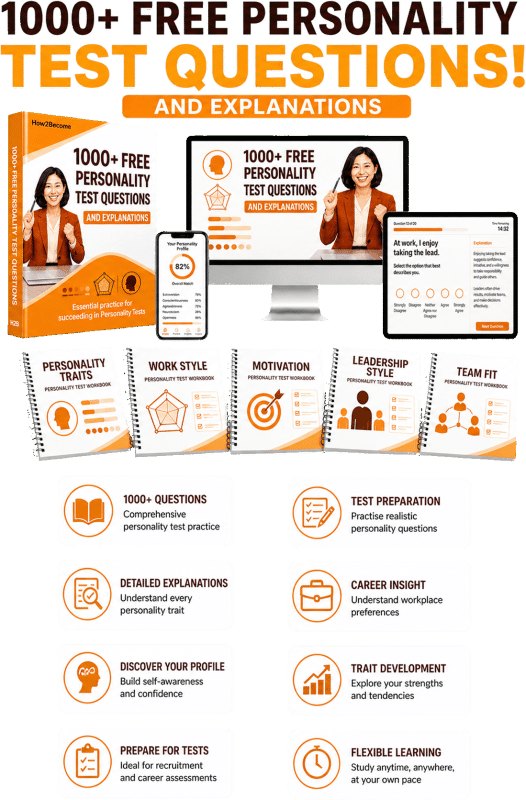
1000 + Free Personality Test Questions, Analysis and Explanations to find your personality traits and suitable job roles.
4.9/5 Rating | 1,000+ Reviews


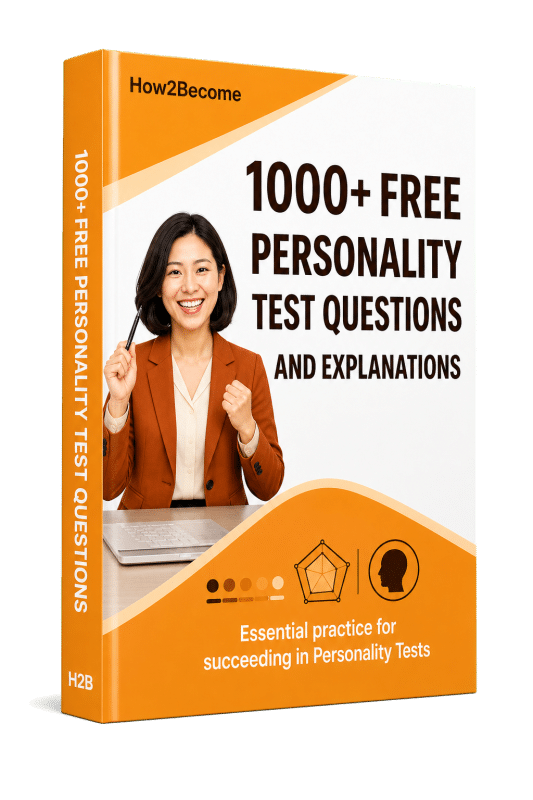
Training That Works
Discover insider secrets and a masterclass of testing practice material that has helped 100s of candidates pass their Personality tests.
Unlock Your Potential
Whether you’re just starting out or you know what to expect, you will get access to 1000s of Free Personality Test questions, with solutions that will catapult your chances of success.
Powerful Resources
Get instant access to the material right now which includes thousands of personality style questions, to help you learn about your traits.







WHAT ARE PERSONALITY TESTS?
5 KEY PERSONALITY TRAITS
Before taking a personality test, it is helpful to understand which traits you possess, which may be less prominent and how different characteristics are perceived within particular job roles. Employers look for different qualities depending on the responsibilities and working environment of the position.
The questions in these guides are designed to measure five key personality traits. Together, these traits provide a broad overview of how a person may typically think, behave and respond in different situations.
A higher score suggests that a trait is more strongly reflected in your personality, while a lower score indicates that it may be less prominent. Neither result is automatically good or bad, as the importance of each trait depends on the role. Below you can see the five key personality traits and their subcategories.

Neuroticism
This is subcategorised as follows:
- Anxiety: This measures how likely a person is to feel worried, tense or concerned when facing pressure or uncertainty. A higher score may indicate greater sensitivity to potential problems.
- Vulnerability: Relates to how well a person copes with stress and difficult situations. Those scoring highly may feel overwhelmed more easily, while lower scorers often remain calm under pressure.
- Hostility: This measures a person’s tendency to experience anger, frustration or irritation. Higher scorers may react more strongly to conflict, whereas lower scorers are generally more patient and composed.
- Depression: Assesses a person’s tendency to experience low mood, discouragement or reduced motivation. A higher score suggests these feelings may occur more frequently.
- Self-consciousness: Measures how concerned a person is about being judged by others. Higher scorers may feel uncomfortable in social situations, while lower scorers are usually more socially confident.
- Impulsiveness: Relates to the ability to resist immediate urges and consider possible consequences. Higher scorers may act more spontaneously, while lower scorers are generally more controlled and deliberate.
Agreeableness
This is subcategorised as follows:
- Trust: This measures how willing someone is to believe that other people are honest, reliable and well-intentioned. Higher scorers are generally more trusting, while lower scorers may be more cautious or sceptical.
- Straightforwardness: This reflects how openly and honestly a person communicates with others. Higher scorers tend to be direct and sincere, whereas lower scorers may be more guarded or diplomatic.
- Modesty: This considers how comfortable someone is with recognising and discussing their own achievements. Higher scorers are often humble, while lower scorers may be more confident in promoting their abilities.
- Compliance: This assesses how someone responds to disagreement and conflict. Higher scorers usually seek compromise, whereas lower scorers may be more competitive or willing to challenge others.
- Altruism: This examines a person’s willingness to help and support other people. Higher scorers are often generous and considerate, while lower scorers may focus more strongly on their own priorities.
- Tender-mindedness: This explores the extent to which someone is guided by compassion and concern for others. Higher scorers may be more empathetic, while lower scorers may take a more objective and practical approach.


Openness
This is subcategorised as follows:
- Fantasy: This measures the strength of a person’s imagination and their enjoyment of creative thought. Higher scorers may be more imaginative, while lower scorers often prefer practical and realistic ideas.
- Aesthetics: This reflects a person’s appreciation of art, beauty, design and creative expression. Higher scorers are often more sensitive to their surroundings and visual experiences.
- Feelings: This considers how aware someone is of their own emotions and those of others. Higher scorers generally experience and express emotions more openly.
- Actions: This assesses a person’s willingness to try new activities and experiences. Higher scorers may enjoy variety and change, while lower scorers often prefer familiar routines.
- Ideas: This explores a person’s curiosity and enjoyment of new or complex concepts. Higher scorers tend to value learning, discussion and intellectual challenges.
- Values: This examines someone’s willingness to question established beliefs and consider alternative viewpoints. Higher scorers are usually more open to change, while lower scorers may favour tradition and consistency.
Extroversion
This is subcategorised as follows:
- Warmth: This measures how friendly, affectionate and approachable someone is when interacting with others. Higher scorers often form close relationships easily, while lower scorers may be more reserved.
- Gregariousness: This reflects how much a person enjoys socialising and being part of a group. Higher scorers usually seek company, whereas lower scorers may prefer quieter or more independent environments.
- Assertiveness: This considers a person’s confidence in expressing opinions, influencing others and taking the lead. Higher scorers are often more dominant, while lower scorers may take a less forceful approach.
- Excitement Seeking: This assesses someone’s preference for stimulation, risk and new experiences. Higher scorers may enjoy fast-paced environments, while lower scorers generally prefer calm and predictability.
- Positive Emotions: This explores how frequently a person experiences feelings such as happiness, enthusiasm and optimism. Higher scorers tend to display greater energy and positivity.
- Activity: This examines a person’s typical pace, energy level and desire to remain busy. Higher scorers often enjoy active schedules, whereas lower scorers may prefer a more relaxed pace.

Conscientiousness
This is subcategorised as follows:
- Competence: This measures how capable and confident someone feels when completing tasks or solving problems. Higher scorers often trust their abilities, while lower scorers may doubt their effectiveness.
- Order: This reflects a person’s preference for organisation, structure and careful planning. Higher scorers usually value routines and tidy systems, whereas lower scorers may work more flexibly.
- Dutifulness: This considers how strongly someone follows rules, commitments and ethical responsibilities. Higher scorers tend to be dependable and conscientious, while lower scorers may take a more relaxed approach to obligations.
- Self-Discipline: This assesses a person’s ability to remain focused and complete tasks despite distractions or difficulties. Higher scorers are generally more persistent and self-motivated.
- Deliberation: This examines how carefully someone considers the possible consequences before making a decision. Higher scorers tend to think before acting, while lower scorers may decide more quickly.
- Achievement Striving: This explores a person’s motivation to set demanding goals and achieve high standards. Higher scorers are often ambitious and driven, whereas lower scorers may be more satisfied with steady progress.

PASS YOUR PERSONALITY TEST
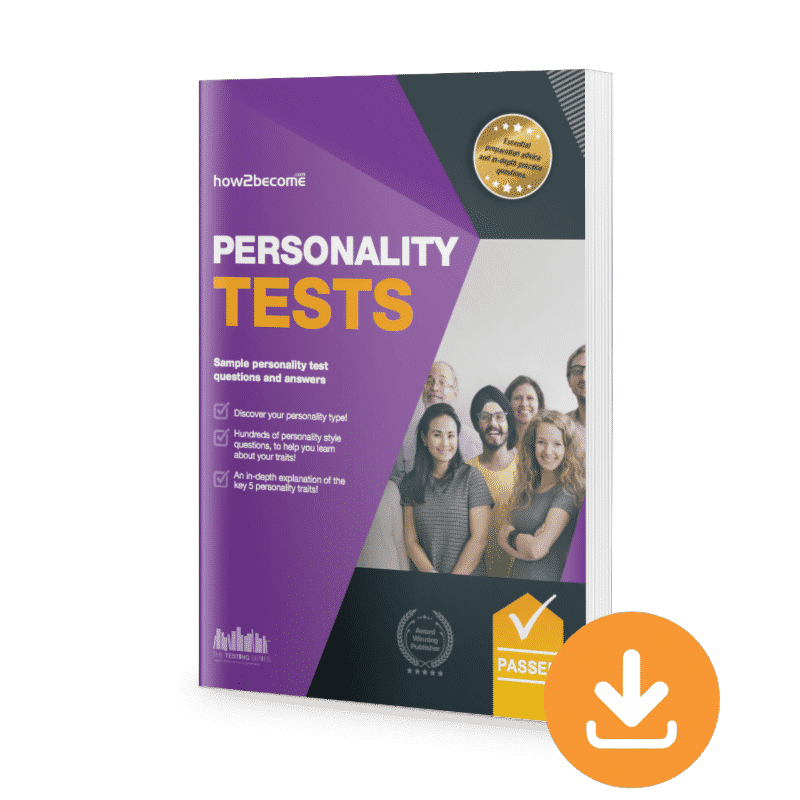
- Over 1000 Free personality test questions for you to work through!
- Detailed explanations of each trait!
- Master how to answer personality test questions effectively and get the job you want!
- Discover your personality traits!
- Find out which jobs you are best suited for
- Learn how to tailor your answers to achieve the job you want
- Increase your chances of success in your job selection process!
- Packed full of insider tips and advice!
Sample Personality Test Questions
To help you get a better understanding of what a personality test involves, let’s take a quick look at a few sample questions.
FREE | 8 Questions
How to Pass Personality Tests: Practice Questions
PERSONALITY TEST - ANXIETY QUESTIONS
1. I am easily irritated
TRUE/FALSE
2. I am afraid of what awaits me in the future
TRUE/FALSE
3. I get nervous talking to people I don’t know
TRUE/FALSE
4. I find it hard to trust people
TRUE/FALSE
PERSONALITY TEST - TRUST QUESTIONS
1. I usually believe what people tell me.
TRUE/FALSE
2. I am always honest.
TRUE/FALSE
3. Trusting someone comes easily to me.
TRUE/FALSE
4. I have no reason to doubt people who tell me something.
TRUE/FALSE
ANSWERS
PERSONALITY TEST - ANXIETY QUESTIONS
If you answer mostly true to these questions, it means that your score is going to be high. If your score is high, you would then read the detailed explanation of what this means in terms of personality.
(It is difficult to produce a result based on only a few questions, which is why this comprehensive book contains lots of questions! Personality tests only work if there are lots of questions to answer. This way you will be able to make a better judgement of your personality and analyse your results more accurately).
PERSONALITY TEST - TRUST QUESTIONS
If you answer mostly false to these questions, it means that your score is going to be low. If your score is low, you would then read the detailed explanation of what this means in terms of personality.
(It is difficult to produce a result based on only a few questions, which is why this comprehensive book contains lots of questions! Personality tests only work if there are lots of questions to answer. This way you will be able to make a better judgement of your personality and analyse your results more accurately).

Pass Your Personality Test. First Time.
Crafted for everyone, no matter your skill level or background, this download was made to help you achieve one goal: pass your personality test.
WHAT WILL YOU LEARN?
Scoring Criteria
Essential information about how you will be assessed during a personality test assessment.
UP-TO-DATE FOR 2026
All exercises have been verified by our assessment panel experts for the 2026 tests.
PRACTICE SAMPLE TEST QUESTIONS
Step-by-step information on how to tackle any style of personality test.
FULLY-WORKED SOLUTIONS
Explanations for all questions so you can be confident in learning and understanding your score.
INSIDER SECRETS
Insider tips on how to answer the questions and a breakdown on how you will be scored.
SCORE-BOOSTING STRATEGIES
Get ahead of the competition with unique and proven strategies 16 years in the making.
Customer Success Stories
Having helped 1,000s of people pass their assessment tests for over 16 years, it is no wonder our customers love us…

Well I like doing these sort of tests to pass the time and this was a very good book.

Very nice and detailed book teaches how to get the best answers even though they say there are no right or wrong answers.

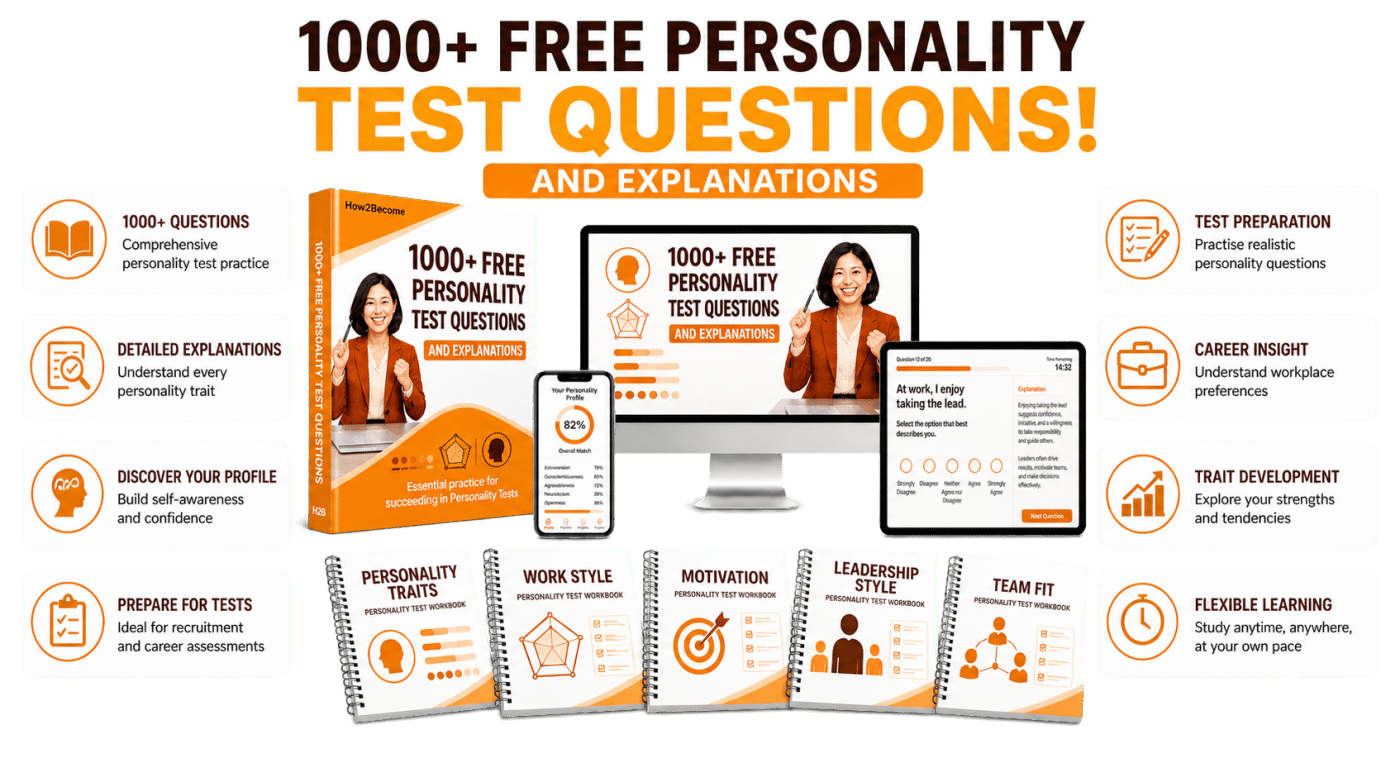
WHAT’S INCLUDED IN YOUR DOWNLOAD?
Complete guidance to ensure you pass the selection tests.
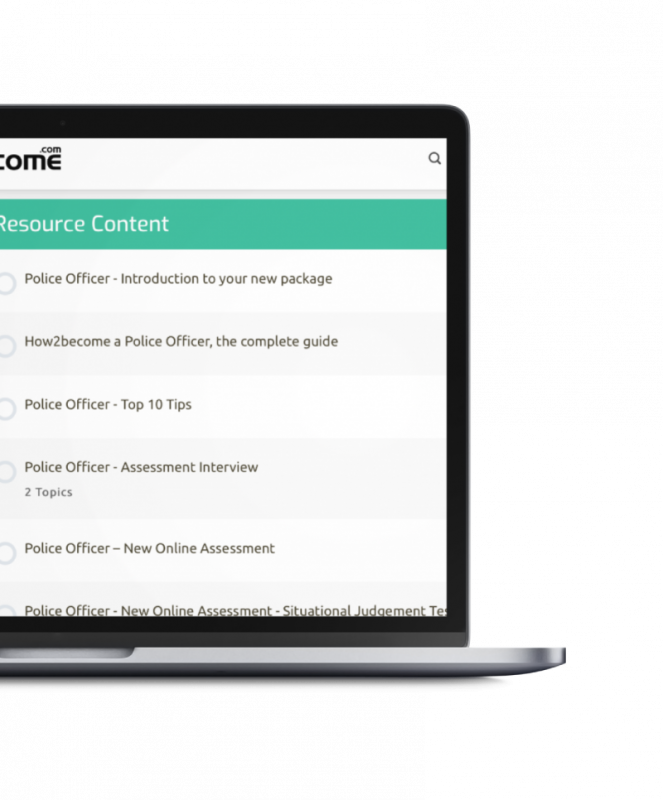
- Thousands of personality test questions.

- Detailed explanations of personality traits.

- How to answer personality test questions effectively and get the job you want.
- A guide to discovering how your personality matches up with different job types.
- Tips for increasing your chances of success in your job selection process.
SPECIAL OFFER
1000 + Free Peronality Tests Questions and Explanations
Free for 14 days, thereafter £9.99 plus VAT with no minimum term
✓ Thousands of personality test questions for you to work through!
✓ Detailed explanations of each personality trait!
✓ Master how to answer personality test questions effectively and get the job you want!
✓ Discover your personality traits!
✓ Find out which jobs you are best suited for;
✓ Learn how to tailor your answers to achieve the job you want;
✓ Increase your chances of success in your job selection process!
✓ Also includes Bonus Psychomteric Test Questions and Answers
✓ Cancel the service at anytime by emailing us at [email protected]
Add to cart
✓ 30-Day Money-back Guarantee
Did you know? All orders with How2Become are protected by our 30-day money-back guarantee. What ever the reason…or no reason at all…you can have your money back if this resource isn’t right for you (see our terms for full details).
WHY BUY WITH HOW2BECOME?

CREATED BY THE EXPERTS

PROVEN TRAINING

EXCLUSIVE FREE BONUSES
Firstly, these guides are created by us and our team of experts – we have all the answers to your questions and will help you succeed (like we’ve been doing for the last 16 years), we update our material frequently and you can contact us at any time with any questions you have.
Secondly, we provide exclusive bonuses with all our products that you won’t find anywhere else. These bonuses include free guides, powerful online testing suites and more!
Finally, our guides and training just work. Take a look at our TrustPilot page where you will see our rating of 4.9/5. There, our customers share their positive buying experiences and more importantly the time-saving success our resources have given them (hint: they passed their assessment).
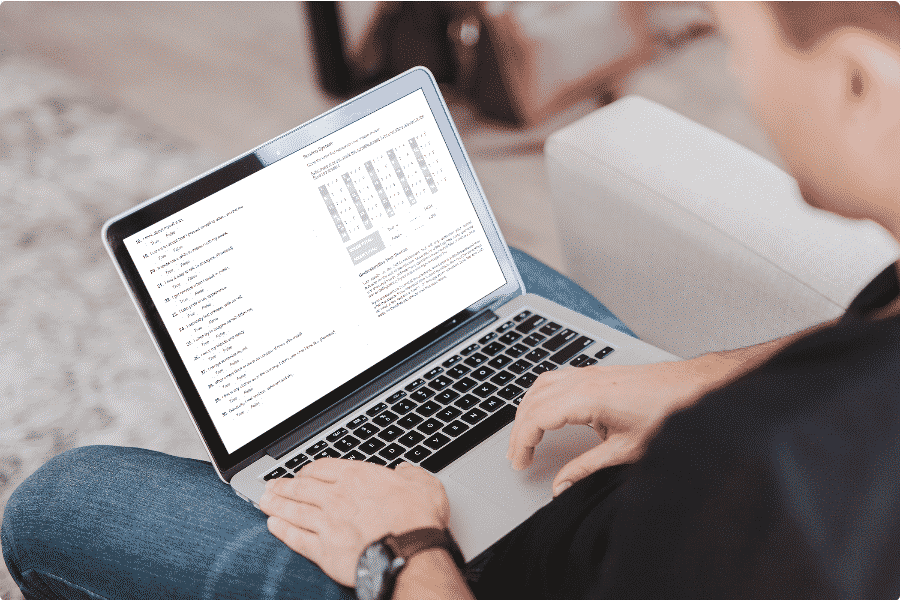
Learn how to PASS YOUR ASSESSMENT
We’ve helped 1,000s of aspiring applicants in their journey to succeed in a new career. Trust the UK’s #1 careers and education specialists to help you secure your role.
Get instant access »“Great variety of question types, exposes areas of weakness and gives you the means to improve. Clear and concise. Confidence builder. Great practice!”