NUMERICAL REASONING TESTS – YOUR QUESTIONS ANSWERED
How Do I Prepare For A Numerical Reasoning Test?
Numerical reasoning tests are used by many employers to assess how confidently candidates can interpret data, perform calculations, and solve numerical problems under time pressure. Focused and organised preparation can significantly improve your speed, accuracy, and confidence.
To prepare effectively, you should:
– Familiarise yourself with the test format, structure, time limit, and calculator rules.
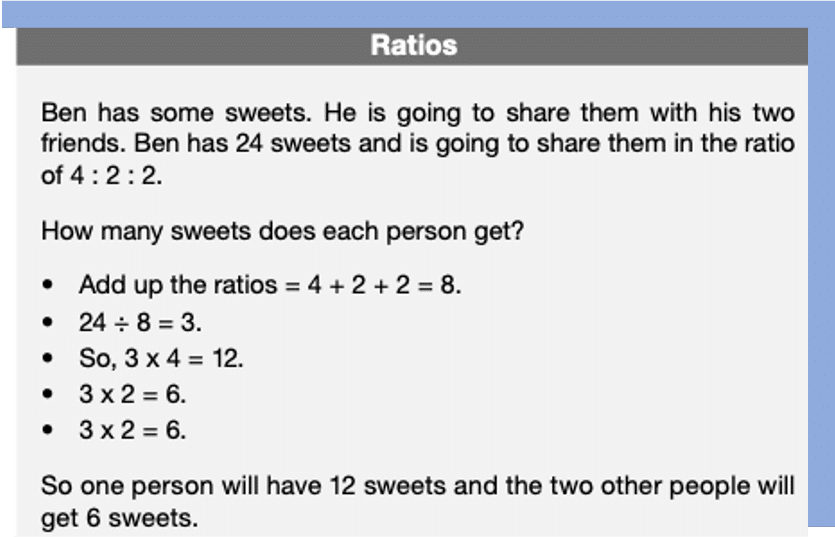
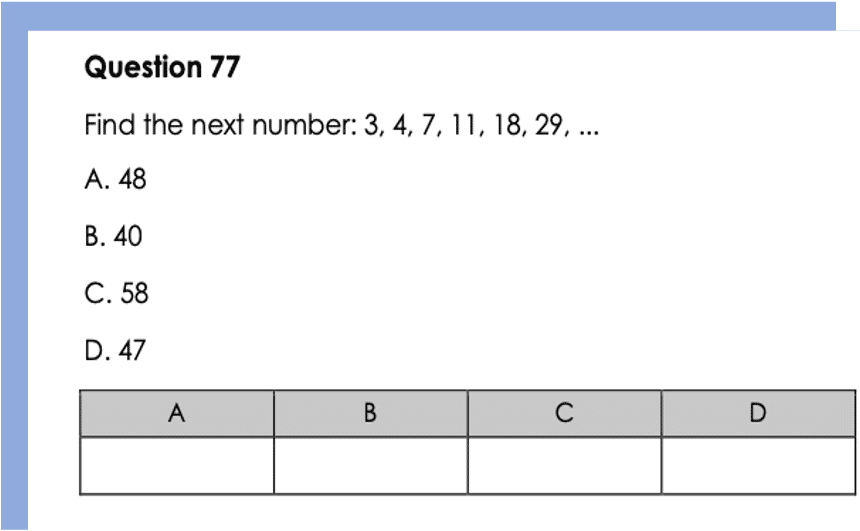
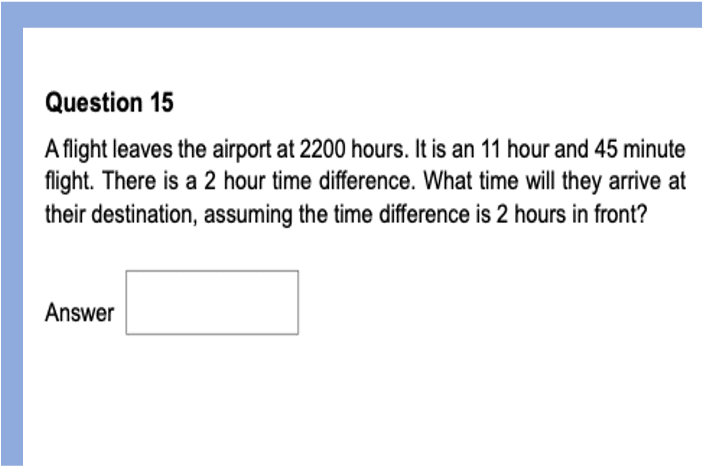
– Practise common question types, including ratios, percentages, averages, fractions, currency conversions, number sequences, and data interpretation.
– Use realistic practice materials and complete timed mock tests.
– Review any incorrect answers so you understand where you went wrong.
Are Numerical Reasoning Tests Hard?
Numerical reasoning tests can be challenging, particularly when they must be completed within a strict time limit. The mathematics is not always advanced, but candidates must quickly identify the correct calculation and interpret information accurately.
Competition for popular roles can also be strong, so achieving a high score may be important. Questions that initially appear simple can become more difficult when they involve unfamiliar graphs, several stages of calculation, or distracting information. Regular timed practice will help you work more efficiently and avoid unnecessary mistakes.
Can You Fail A Numerical Reasoning Test?
Numerical reasoning questions have clear right and wrong answers. Whether you officially pass or fail depends on the scoring criteria established by the employer or test provider.
Some employers use a fixed pass mark, while others compare your performance with that of other candidates. Your score may also be considered alongside interviews, application forms, and other assessments. You should therefore aim to achieve the highest possible score rather than simply meeting a minimum standard.
What Skills Do Numerical Reasoning Tests Assess?
Numerical reasoning tests commonly assess your ability to:
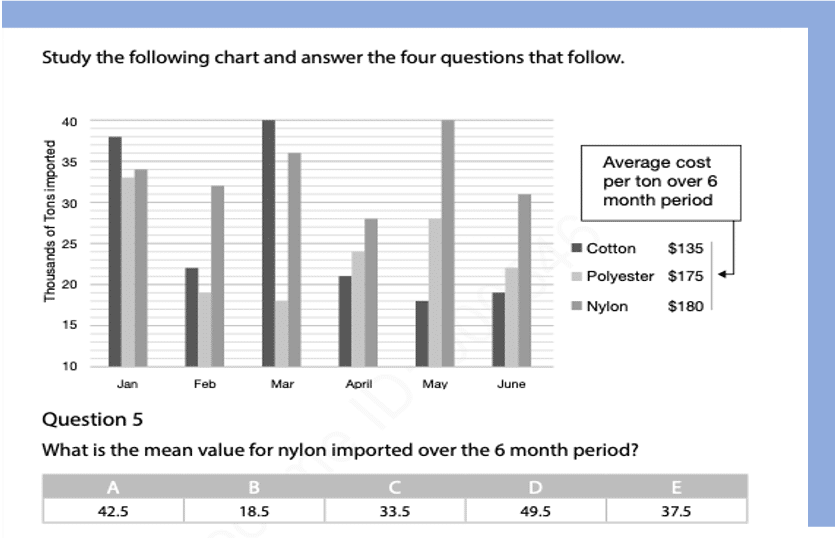
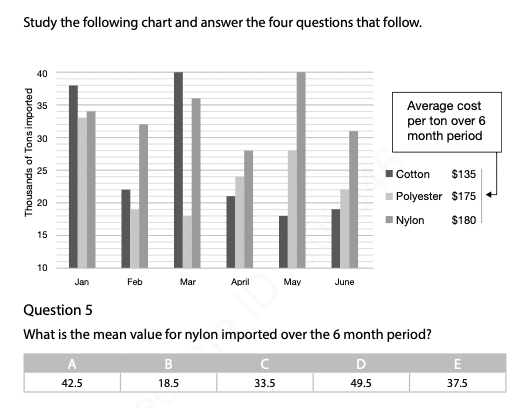
– Interpret information presented in tables, charts, and graphs.
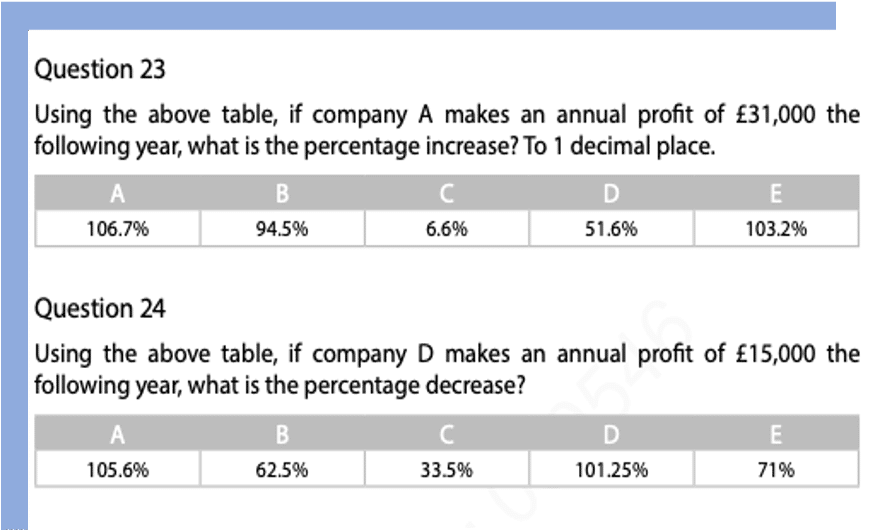
– Calculate percentages, ratios, averages, and differences.
– Recognise numerical patterns and relationships.
– Compare figures and identify relevant information.
– Draw accurate conclusions from numerical data.
– Work quickly and carefully under time pressure.
These skills are valuable in roles involving finance, management, administration, engineering, sales, data analysis, and business decision-making.
How Do I Pass For A Numerical Reasoning Test?
The most important advice is to practise a wide range of realistic questions. This will help you recognise common question formats, select the correct calculation more quickly, and manage your time effectively.
During the test, read every question carefully, identify exactly what is being asked, and avoid spending too long on one difficult problem. Check whether calculators are permitted and become familiar with the calculator you intend to use. If time remains, review your answers and check for common errors involving units, decimal points, percentages, and rounding.
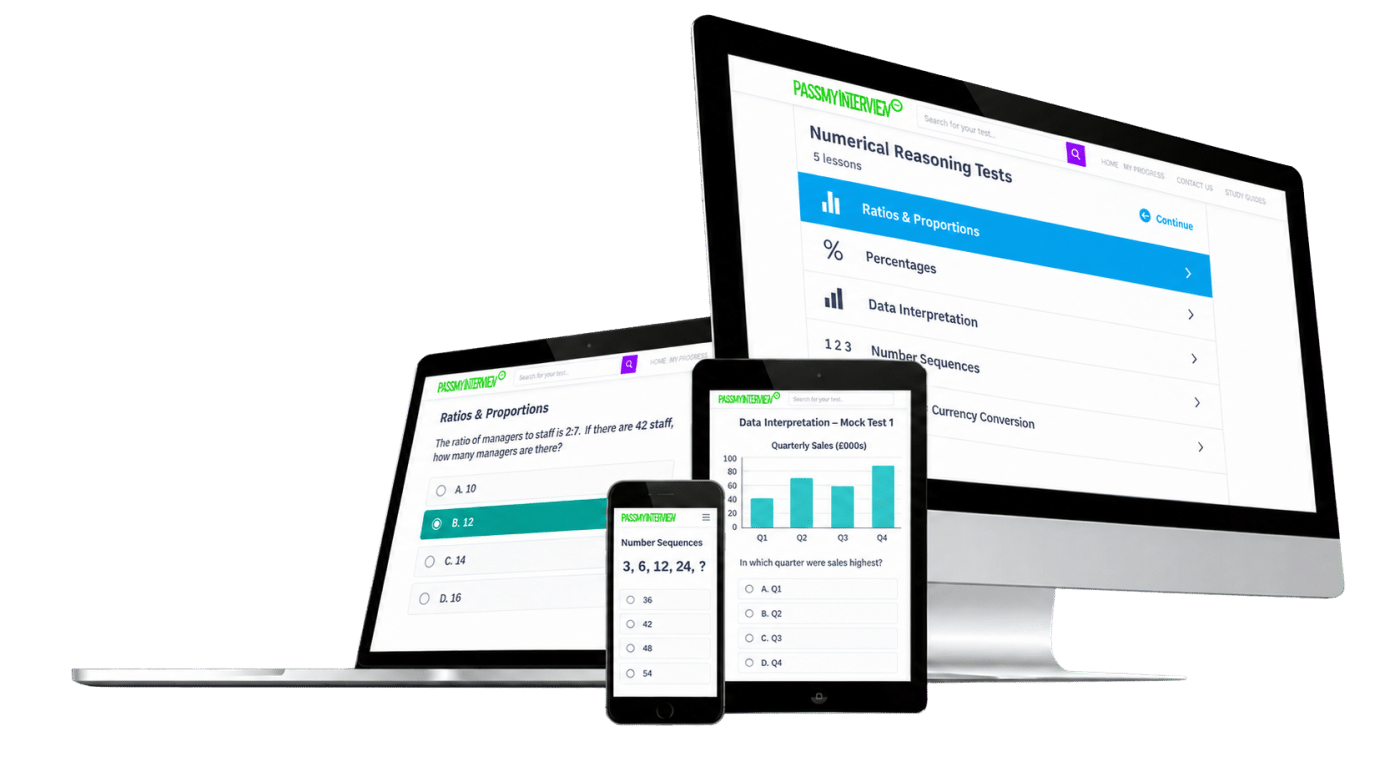
Get your access to Richard McMunn’s 1000+ NUMERICAL REASONING TEST QUESTIONS & ANSWERS guide below!